


Moving is a stressful experience and the days leading up to your move can be particularly stressful.
The last thing you want to deal with is not having the right boxes for all your stuff while packing – and yes, you’ll need more than just regular square boxes.
In this article, we’ll provide a comprehensive guide to understand what the best moving boxes for you are, where you can find them, and other tips to help you source moving supplies and pack your boxes.
Are There Standard Moving Box Sizes?
Moving boxes come in standard sizes that make planning and organizing your move easier. From small to large moving boxes, the ability to “pack and stack” sturdy boxes of similar size simplifies packing and transportation. Having the right boxes for the right items helps minimize damage to your belongings.
Every move is different, and what and how much you are moving is unique to you. Medium-sized boxes (3 cubic feet) are typically the most-used box (more on that to come!), but other box sizes and specialty boxes will ensure your move goes smoothly.
Whether you’re upsizing or downsizing, moving to a large house or small apartment, here are our suggestions for the five best moving boxes to have on hand.
5 Best Moving Boxes to Fit Your Needs
Here are the five best moving box sizes you’ll need to pack your belongings efficiently and safely:
- Picture Box
- Wardrobe Box
- Dishpack Box
- 1.5 Cubic Foot Box (Small)
- 3.0 Cubic Foot Box (Medium)
1. Picture Box
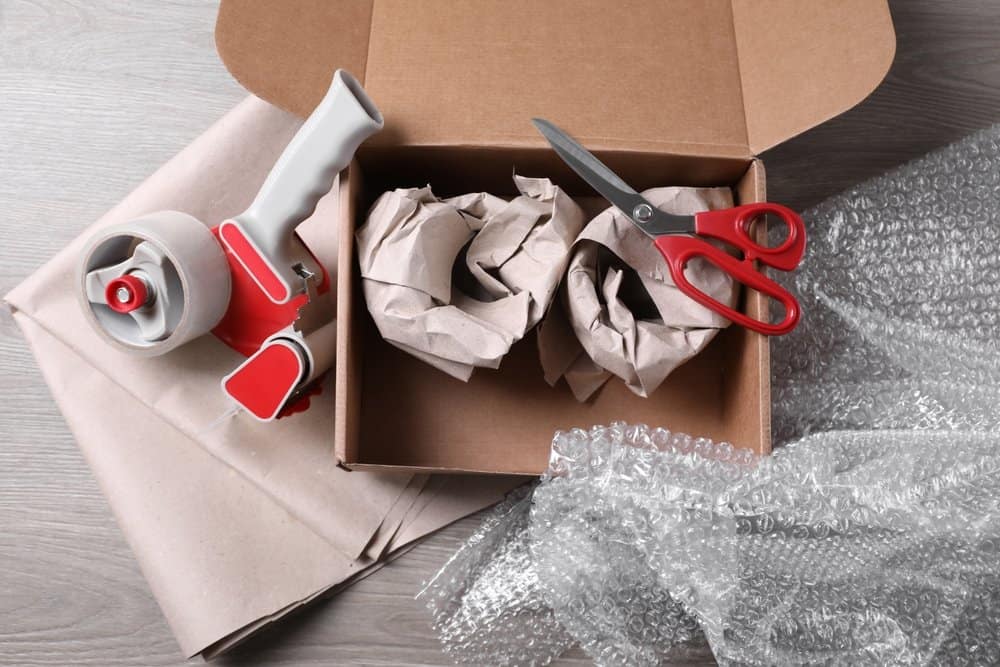
Picture boxes are fantastic, and they aren’t just for pictures! You can use them to easily pack frames, mirrors, artwork, other hanging wall items, and even glass table tops. What makes picture boxes unique is that they are fit to size, meaning you can get the right size for your needs, which decreases the chance of damage. This is not a one size fits all type of moving box.
These are one of the best size boxes for moving fragile items. Items that fit into this type of box are typically fragile and prone to damage during a move. Knowing you can snugly fit your valuables into a picture box will put your mind at ease. You can buy picture boxes through Amazon or U-Haul.
When packing with these boxes, don’t forget to protect your items with padding. We recommend rolling up some packing paper and creating “bumpers” to protect the edges and corners of items.
2. Wardrobe Box
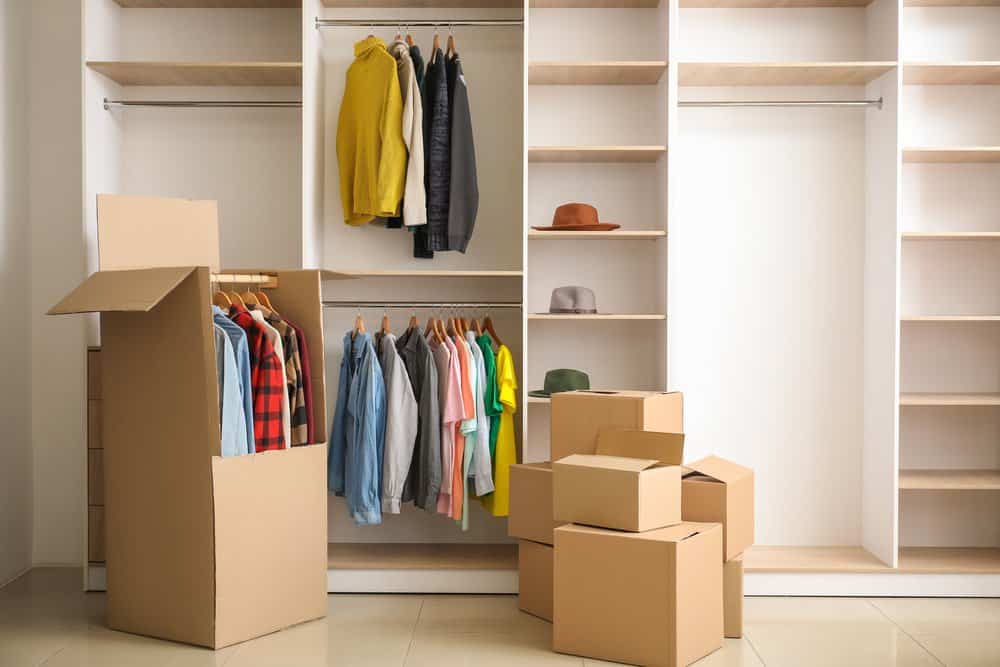
Your best clothes don’t belong crumpled at the bottom of a box. Wardrobe boxes are designed for moving clothing on hangers, which means you won’t have to worry about wrinkled or damaged blouses or suits! These boxes come with a rod to make hanging and organizing your clothing easy.
Wardrobe boxes come in different sizes to easily pack clothing of varying lengths. Once you’ve completed your move, you can transfer your clothing to the closet with minimal effort. Staples is an excellent location to pick these up (they even come in bundles of 5)!
Here’s a good moving tip: wardrobe boxes can also be used for drapes, curtains, or tapestries!
3. Dishpack Box
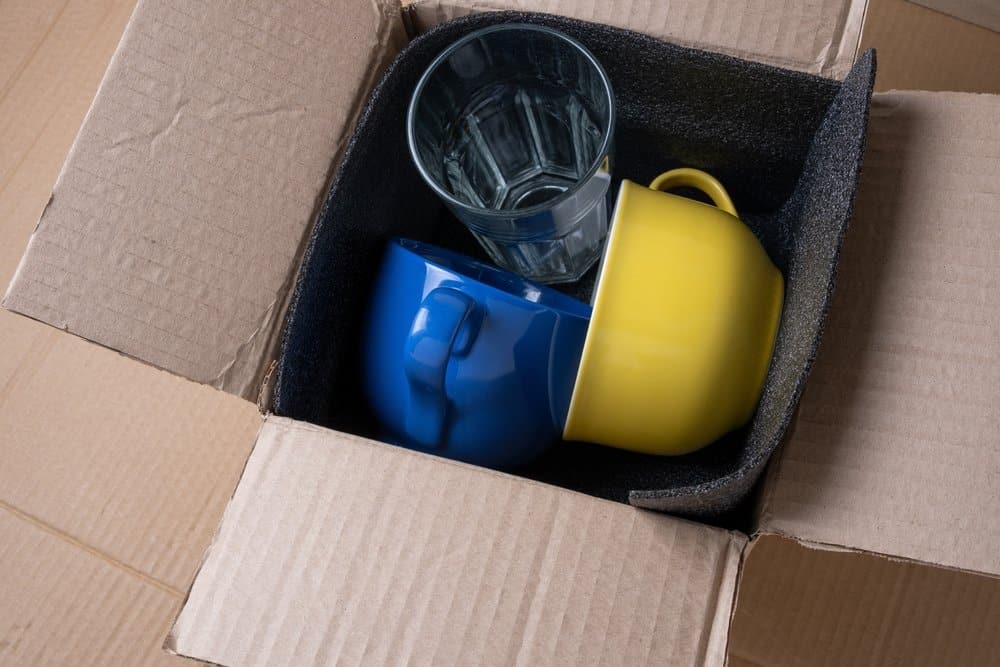
Kitchen items and appliances are probably the hardest to pack and move. With so many breakables, it can feel like a daunting task. However, using a dishpack box reduces that likelihood of items breaking and makes packing up your kitchen a breeze.
These boxes are designed to be used with dividers that create sections and provide added protection. The dividers allow you to choose how you want to organize the box and protect glassware and plates. Dishpacks, also known as a dish barrel box, can be found at U-Haul.
Dishpack boxes have built-in handles for easy transportation. One thing to remember is that these boxes can fill up and get heavy fast. As you’re packing, make sure to check the weight of dishpack boxes to make sure they aren’t too heavy to carry!
4. 1.5 Cubic Foot Box
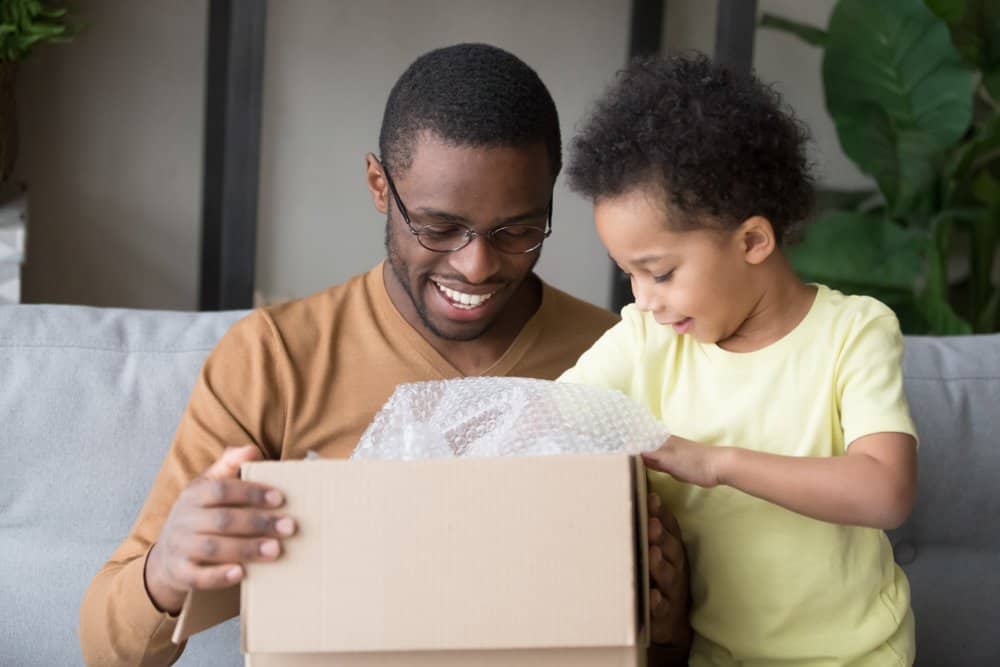
This box is your solution to packing smaller heavier items. From silverware to books, this small box can do it all. Having the bulk of your items packed in 1.5 cubic foot boxes will make your life, and your mover’s, much easier.
These boxes are also great for packing delicate items. If your fragile items don’t require a spacious box, these small moving boxes are the best option. Regardless of size, make sure you pack these boxes with some strategy and care. If you end up using these for the bulk of your fragile items, don’t forget to fill any extra space with packing paper or bubble wrap.
Being easily stackable, the 1.5 cubic foot box makes loading up a moving truck a breeze.
5. 3.0 Cubic Foot Box
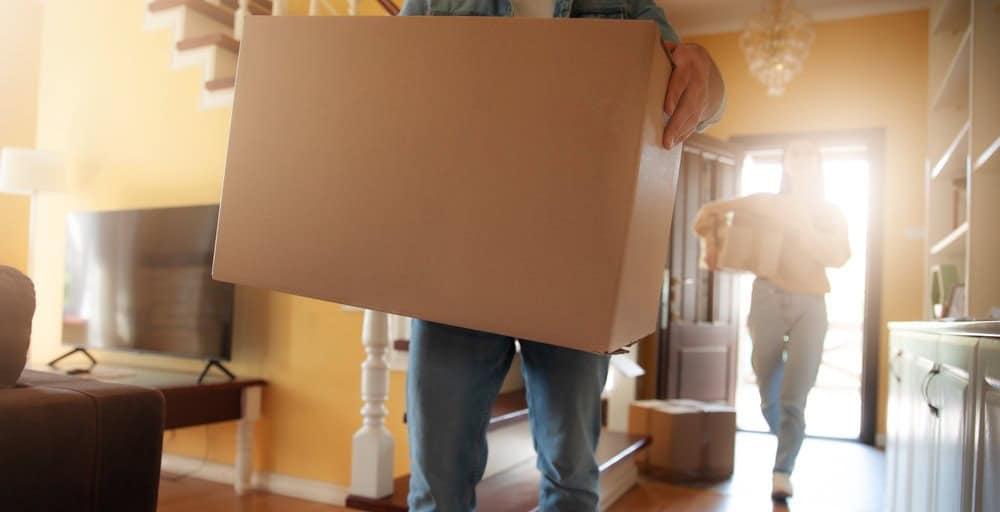
This medium moving box is hands down the most versatile box for moving. A 3.0 cubic foot box is the Goldilocks of the moving resources world. It can fit almost anything from lamps, kitchen supplies, and even pots and pans.
The 3.0 cubic foot box is the most commonly used size box for moving, so you should definitely have a lot of them on hand. They’ll become your catch-all boxes and will easily fill up with items that don’t seem to fit in other places. Home Depot is your go-to store to pick up a handful of these boxes!
Other Moving Box Sizes
There are lots of box options when it comes to packing and transporting your belongings. Other good sizes and types of moving boxes to have available include:
Large moving box (4.5 cubic feet, 18x18x24): Use roomy, large moving boxes for difficult-to-pack or oddly shaped household items like small appliances, furniture parts, shoes and purses, curtains, and area rugs.
Extra-large moving box (6.0 cubic feet, 24x18x24): Great for light and bulky items. Use these boxes for pillows, blankets and comforters, stuffed toys, and winter coats. Even though items are lightweight, don’t overpack extra-large boxes!
Lamp box (3 cubic feet, 12x12x40): Use this taller 3 cubic foot box to safely pack table lamps, vases, speakers, and other tall, fragile, and oddly-shaped items.
Sport utility box (6 cubic feet, 15x15x48): This specially sized box is ideal for golf clubs, ski gear and camping equipment. Pack vacuums and steam cleaners, mops and brooms, floor fans, holiday decorations, and gift wrap without fuss.
Where to Buy Moving Boxes? (and Free Alternatives)
As we’ve mentioned throughout this article, good places to buy moving boxes include places like Staples, Amazon, U-Haul, and Home Depot. But if you want to save some money or be a little more environmentally friendly, don’t overlook these options for low cost or even free moving boxes:
Grocery stores: Visit local grocery stores and ask for boxes used for produce. These boxes are usually sturdy and perfect for moving heavier items.
Liquor stores: Liquor boxes are small but durable, making them ideal for packing glassware and other fragile items.
Recycling centers: Check with local recycling centers for lightly used boxes. They’re usually free and in good condition.
Office supply stores: Offices and supply stores often have leftover boxes from shipments that they’re happy to give away.
Facebook Marketplace and Craigslist: Many people give away their used moving boxes for free or at a low cost after completing their own move.
Pro Tip: Plan Ahead
Start gathering boxes early to avoid last-minute scrambling. Even if you don’t use every box, they can be donated, recycled, or reused for storage. Prioritize sturdy, clean boxes and avoid using anything that’s damaged or damp to protect your belongings during the move.
How to Stay Organized While Packing Moving Boxes
Staying organized while packing will help you save time and stress while packing and unpacking.
For starters, create a packing plan that outlines which items you’ll pack first and which can wait until the last minute. Start with non-essentials like seasonal items, decorations, or rarely used kitchen gadgets. Save everyday essentials, like toiletries and work supplies, for last.
Labeling your boxes is also crucial for staying on top of things. Write the destination room and brief list of contents on each box. If you want to be even more organized, use colored labels or tape to quickly identify boxes at a glance. This will help make unpacking much easier.
As you pack, group similar items together. For example, pack all your kitchen utensils in one box and your books in another. It’s better to use smaller boxes with similar items instead of packing larger boxes with items that belong in different rooms. Make sure to pack fragile items separately and carefully. To keep track of your inventory you may consider numbering boxes and cross-referencing them with a checklist. That way you’ll know exactly where everything is and be able to make sure nothing gets left behind.
Finally, keep an “essentials box” for each family member as part of your moving day survival kit. Pack these boxes with essential items you’ll need immediately, like a change of clothing, chargers, and work supplies. This will let you quickly find the items you need right away while unpacking at your new home.
Packing Moving Boxes
Packing moving boxes effectively is key to making sure your belongings stay safe and your move goes smoothly.
Start by selecting the right boxes for your items. Use smaller boxes for heavy items like books or tools, medium boxes for kitchenware and general household items, and larger boxes for lightweight, bulky items like pillows or comforters. Choosing the right boxes reduces the risk of damage and makes lifting and moving them easier.
Padding is your best friend when packing fragile items. Wrap delicate belongings like glassware, plates, and electronics in bubble wrap or packing paper. Fill empty spaces in boxes with crumpled paper, foam peanuts, or towels to prevent items from shifting during transit.
Distribute weight evenly across boxes. Place heavier items at the bottom and lighter items on top to maintain balance and avoid crushing anything.
Tape your boxes securely using high-quality packing tape. Seal all edges and reinforce the bottom of heavier boxes to prevent them from splitting. Label each box clearly with the room it belongs in and its contents, and don’t forget to write “fragile” on boxes that need to be handled with care.
Finally, avoid overpacking. A box that’s too heavy can break or cause injury when lifting. Aim for a manageable weight that’s easy to carry while still protecting your items.
FAQ
How do I choose the right moving box?
Select boxes based on the size and weight of your items. Use small boxes for heavy items like books, medium boxes for most household items, and large boxes for lightweight but bulky items like pillows or comforters. Specialty boxes, such as wardrobe or dishpack boxes, are ideal for fragile or unique items.
What tape should I use to seal boxes?
Tape is an essential moving supply for moving day. Use high-quality packing tape designed for moving. Look for heavy-duty tape that is at least 2 inches wide. Reinforce the top and bottom of your boxes with a few layers of tape to ensure they stay secure during the move.
Should padding be used to pack delicate items?
Absolutely! Always use padding like bubble wrap, packing paper, or foam to protect fragile items. Fill empty spaces in boxes with crumpled paper or towels to prevent shifting and reduce the risk of damage.
What moving boxes should I use for heavy items?
Small moving boxes are the best for heavy items since they’re easier to lift and less likely to break under the weight.
Plan Ahead for a Stress-Free Move
Having the right moving boxes is one of the easiest ways to make your move efficient and stress free. From picture boxes to wardrobe boxes, each size and type serves a purpose. Take the time to gather what you need, label boxes, and pack them with care.
Priority Moving Can Help with Your Move!
Plan your packing with our helpful moving box pointers. If you are looking for a moving service for the big day, contact Priority Moving. We are proud to be one of Oregon’s top rated residential moving companies. Our licensed, professional movers are here to assist you. We have the experience and know-how to move you quickly and without hassle. And, our services include packing and storage if you need them. Schedule your move with the experts at Priority Moving today!
Are you planning a move but feeling overwhelmed by all the details and costs involved? Don’t worry, we’re here to help! Take the first step towards a stress-free move by getting a free moving quote from our experienced team. With our expertise and attention to detail, we’ll provide you with a comprehensive estimate that takes into account all your unique needs and preferences. So why wait? Contact us today to get started and enjoy a smooth, hassle-free move!